
From Fabric to Fit: Understanding Suit Quality and Craftsmanship
Wi
The Art of Suit Craftsmanship
When it comes to suits, the true mark of quality and craftsmanship lies in the details. From the fabric selection to the final fit, every element plays a crucial role in creating a garment that exudes sophistication and elegance. Understanding these elements can help you make a more informed choice when purchasing your next suit.
The journey from fabric to fit involves multiple stages, each contributing to the overall quality of the suit. A well-crafted suit not only enhances your appearance but also boosts your confidence, making it a worthwhile investment.

Choosing the Right Fabric
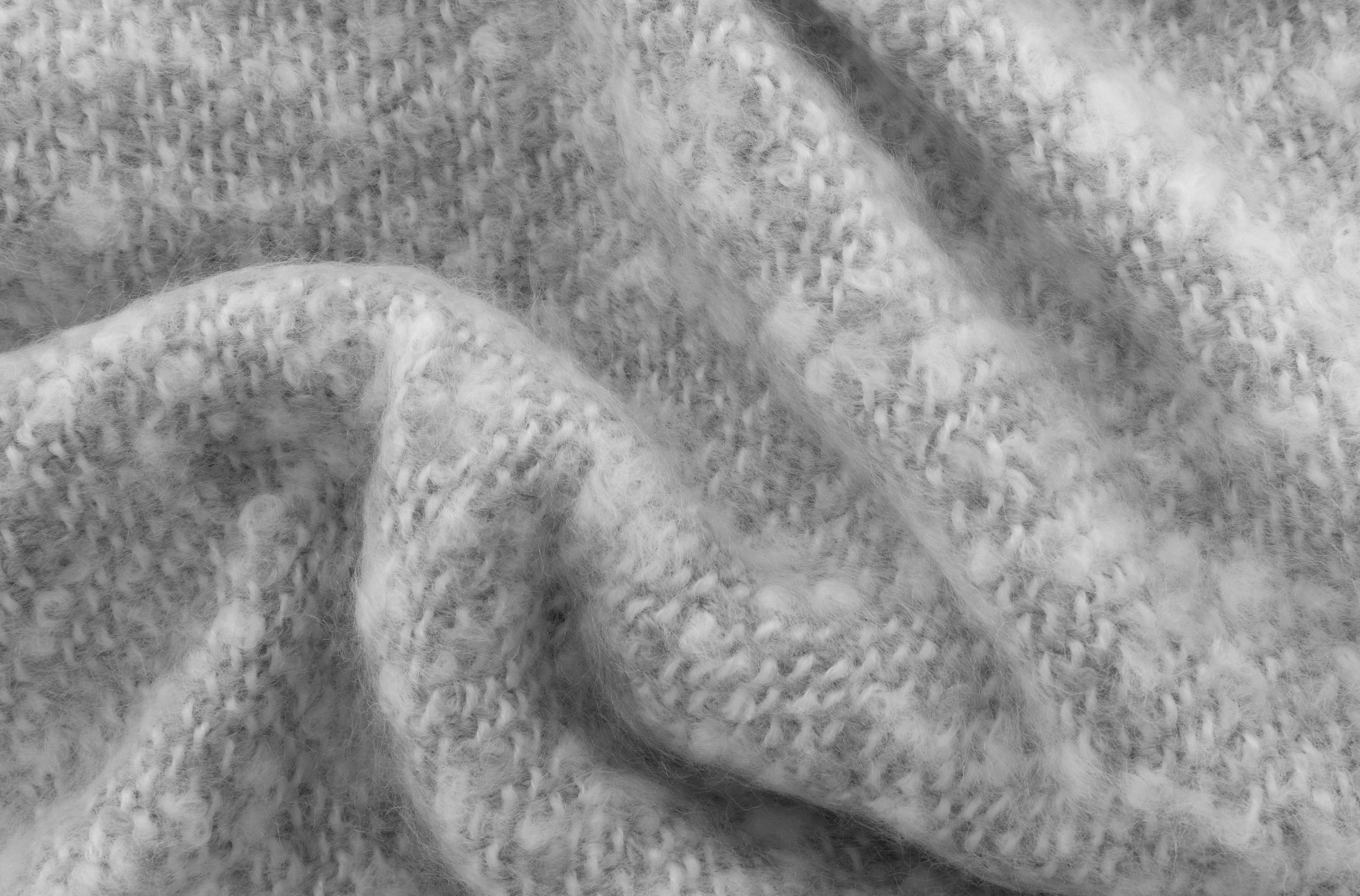
The fabric is the foundation of any great suit. High-quality fabrics not only look better but also feel more comfortable and are more durable. Common materials used in suit-making include wool, cotton, linen, and blends. Wool is the most popular due to its versatility and ability to maintain its shape. It comes in various weights, allowing for both summer and winter suits.
When selecting a suit, consider the fabric's weight and texture. Lightweight fabrics are ideal for warmer climates, while heavier ones provide warmth in cooler environments. Pay attention to the fabric weave, as it can affect the drape and overall look of the suit.
The Importance of Construction
The construction of a suit is a clear indicator of its quality. There are three main types of suit construction: fused, half-canvassed, and fully canvassed. Fused suits are generally less expensive and involve bonding the fabric with an adhesive. While cost-effective, they may not offer the same level of comfort or longevity as other constructions.
Half-canvassed suits strike a balance between cost and quality. They have a canvas layer in the chest and lapels, providing better structure and fit. Fully canvassed suits are the gold standard, offering superior fit and comfort. They mold to the body over time, creating a personalized fit that is unmatched.

Understanding Fit and Tailoring
Fit is perhaps the most crucial aspect of a suit. Even the highest quality fabric and construction can fall flat if the suit doesn't fit well. A tailored fit ensures that the suit complements your body shape, enhancing your overall appearance. Key areas to focus on include the shoulders, chest, waist, and length of the jacket and trousers.
Investing in alterations can make a significant difference. A skilled tailor can adjust the suit to fit your unique body shape. Remember, a perfect fit can transform a good suit into a great one, elevating your style and confidence.
The Final Touch: Details and Finishes
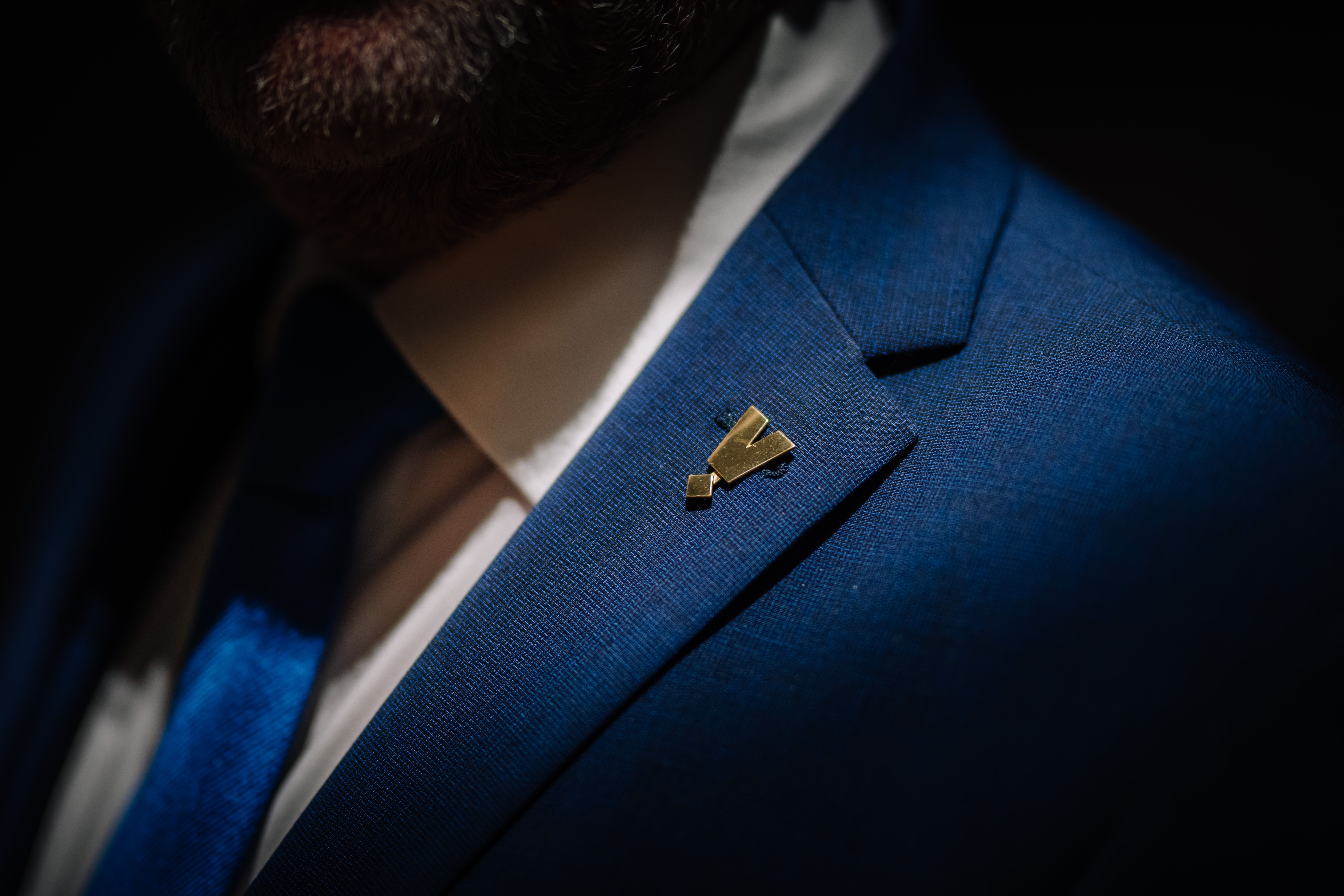
The finishing details of a suit, such as buttons, stitching, and lining, add to its overall quality and appeal. High-quality buttons, often made from horn or mother-of-pearl, provide a touch of elegance. Hand-stitched details and functional buttonholes are signs of superior craftsmanship.
The lining of a suit should not be overlooked. A good lining not only adds comfort but also ensures that the suit maintains its shape. Look for smooth, breathable fabrics that complement the outer material.
By understanding these elements of suit quality and craftsmanship, you can make informed decisions and invest in pieces that will stand the test of time. A well-made suit is more than just clothing; it's an expression of style and sophistication.