How to Differentiate Between Designer Suit Brands: A Buyer's Guide
Wi
Understanding Designer Suit Brands
When it comes to investing in a designer suit, understanding the brand's unique style, quality, and craftsmanship is crucial. Each brand has its own signature elements that appeal to different tastes and preferences. This guide will help you differentiate between some of the most popular designer suit brands, so you can make an informed decision.

Quality and Fabric
The fabric quality is a primary factor that distinguishes one designer suit brand from another. High-end brands typically use premium materials like wool, cashmere, and silk. Pay attention to the fabric composition and weave, as these elements contribute to the suit's overall durability and comfort.
Additionally, some brands are renowned for their innovative use of textiles. For instance, certain Italian brands might focus on lightweight fabrics perfect for warmer climates, while British brands may prioritize heavier materials that offer a structured look.
Tailoring and Fit
The fit of a suit can make or break your entire look. Designer brands often have distinct tailoring techniques that cater to different body types. Some brands are known for their slim, modern cuts, while others maintain a more classic, relaxed fit.
Consider your personal style and the occasions you'll wear the suit for. Brands specializing in bespoke tailoring can offer a more personalized fit, ensuring that every aspect of the suit complements your physique.

Brand Reputation and Heritage
A brand's history and reputation can also be a significant factor in your decision-making process. Established brands with a long-standing heritage often have a proven track record for quality and style. These brands have developed a distinct identity over the years, which is reflected in their collections.
Researching a brand's history can provide insights into its design philosophy and the level of craftsmanship you can expect. Many buyers find value in purchasing from brands with a storied past, as it adds a layer of prestige to their wardrobe.
Price Range
Designer suits can vary dramatically in price, often reflecting the quality of materials and craftsmanship involved. It's essential to establish a budget before exploring different brands. While some brands offer excellent quality at a mid-range price point, others may command a premium due to their reputation and exclusivity.
Consider the cost-per-wear factor when evaluating the price. Investing in a more expensive suit that lasts for years can be more economical than purchasing several lower-quality options.
Unique Design Elements
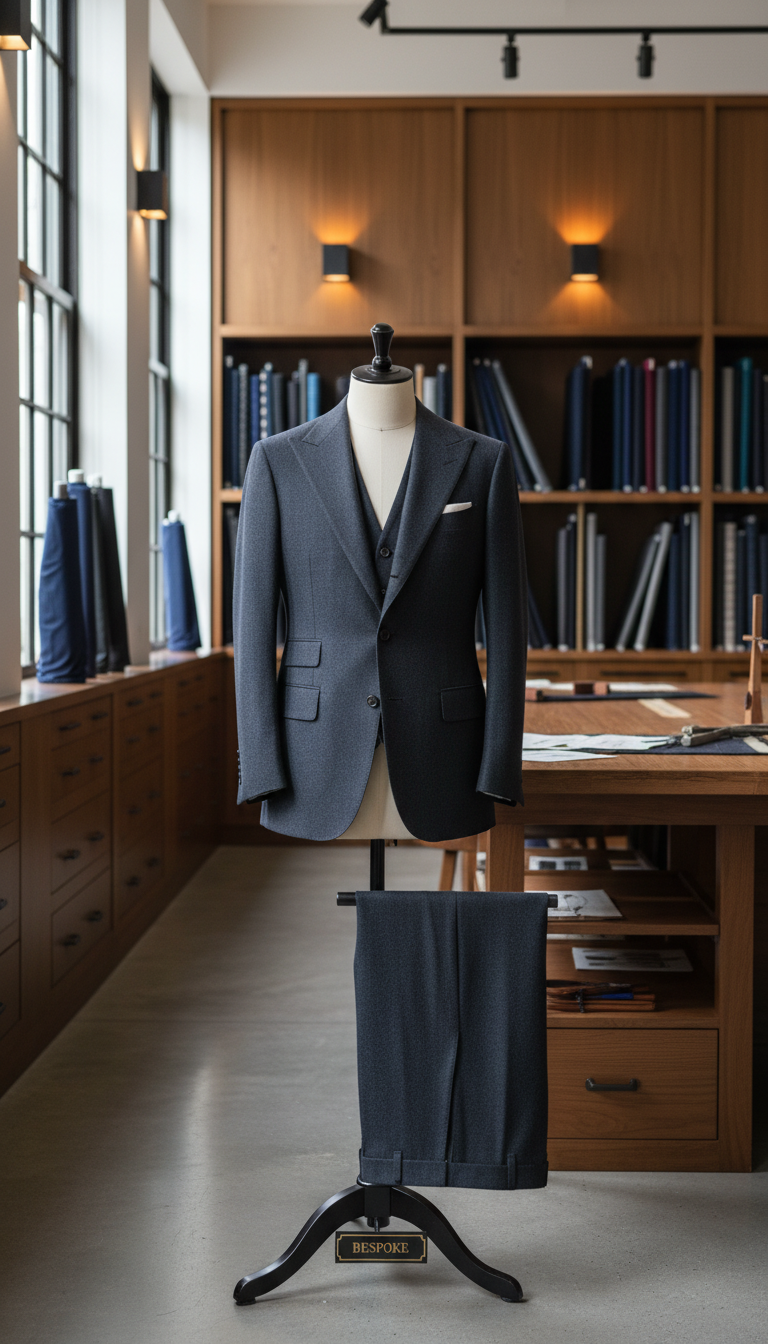
Every designer brand brings its unique flair to suit design, whether it's through the use of bold patterns, intricate details, or innovative cuts. Look for brands that align with your aesthetic preferences and offer designs that resonate with your personal style.
Some brands might experiment with unusual colors or textures, while others stick to timeless, classic designs. Understanding these nuances can help you choose a suit that not only fits well but also makes a statement.
Conclusion
When differentiating between designer suit brands, consider factors such as fabric quality, tailoring, brand heritage, price, and design elements. By evaluating these aspects, you can find a suit that not only meets your style preferences but also offers the best value for your investment. Remember, a well-chosen designer suit is more than just clothing—it's a reflection of your personal style and confidence.