The Ultimate Guide: What to Look for When Buying a Suit
Wi
Buying a suit is not just about picking one off the rack; it’s about finding the perfect ensemble that fits your style, body shape, and occasion. Understanding what to look for can help you make an informed decision. Here is your ultimate guide to buying a suit.
Understanding the Fit
The fit of a suit is arguably the most crucial element. A suit that fits well will enhance your appearance and boost your confidence. There are three primary types of fit: slim, regular, and classic. Each fit offers a different silhouette, so choose one that complements your body type.
The shoulders of the suit should sit comfortably without extending beyond your natural shoulder line. The jacket’s waist should taper slightly to create a flattering shape, and the trousers should break just above your shoes.

Fabric Matters
The fabric of your suit affects its appearance and comfort. Common materials include wool, cotton, linen, and blends. Wool is a popular choice due to its versatility and durability. For warmer climates, linen and cotton provide a cooler alternative, though they tend to wrinkle more easily.
Consider the season and occasion when choosing fabric. Heavier fabrics are ideal for winter, while lighter materials work best for summer events. Keep in mind that higher-quality fabrics often come with a higher price tag but offer better longevity.
Color and Patterns
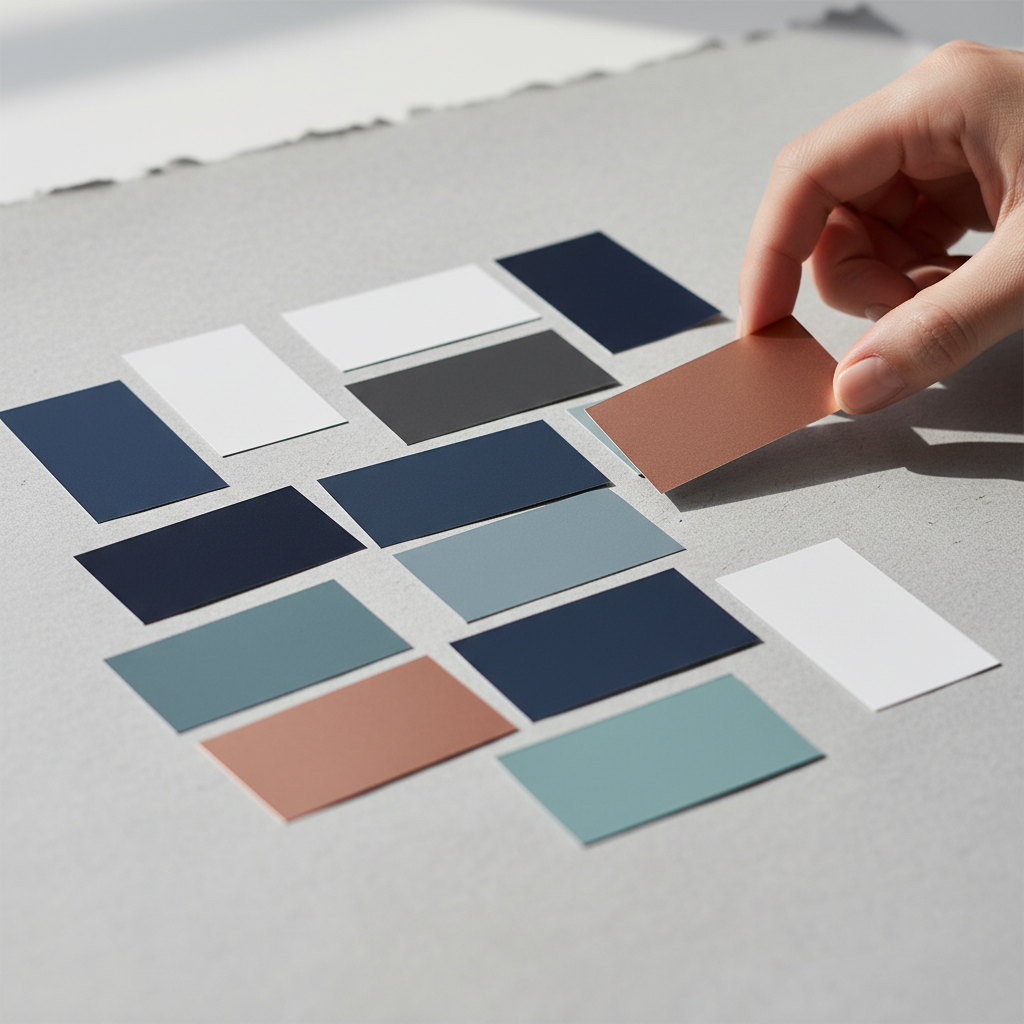
When selecting a suit, color and pattern are crucial considerations. Classic colors like navy, gray, and black are versatile and suitable for most occasions. For a more daring look, consider bolder colors or subtle patterns such as pinstripes or checks.
Think about the occasions you’ll be wearing the suit. Neutral colors are great for business settings, while more vibrant options can be perfect for social events or weddings.
Details and Accessories
Paying attention to the details can elevate your suit from ordinary to extraordinary. Look for features like lapel style, button count, and pocket design. Notch lapels are versatile, while peak lapels offer a more formal touch.
Accessories play a vital role in completing your look. Invest in quality ties, pocket squares, and cufflinks that complement your suit. These elements can add personality and flair to your outfit.
Tailoring and Alterations
Even the most expensive suit may need some adjustments. Finding a skilled tailor to make alterations ensures a perfect fit. Common alterations include adjusting sleeve length, taking in the jacket waist, and hemming trousers.
Don’t hesitate to invest in tailoring; a well-fitted suit will always look more polished and professional.

Budget Considerations
While it’s tempting to splurge on a high-end suit, set a budget that aligns with your financial situation. There are excellent options available at every price point. Consider cost-per-wear; investing in a quality suit can be more economical in the long run.
Remember, a suit is an investment in your wardrobe and your personal brand. Choose wisely, and you’ll have a timeless piece that serves you well for years to come.