
The Ultimate Guide to Choosing the Perfect Men's Suit for Every Occasion
Id
Understanding the Basics of Men's Suits
Choosing the perfect men's suit is an art form that every stylish gentleman should master. Whether it's for a wedding, a job interview, or a casual event, a well-fitted suit can make all the difference. Understanding the basic components of a suit, including the jacket, trousers, and vest, is crucial to making an informed choice.
The Importance of Fit
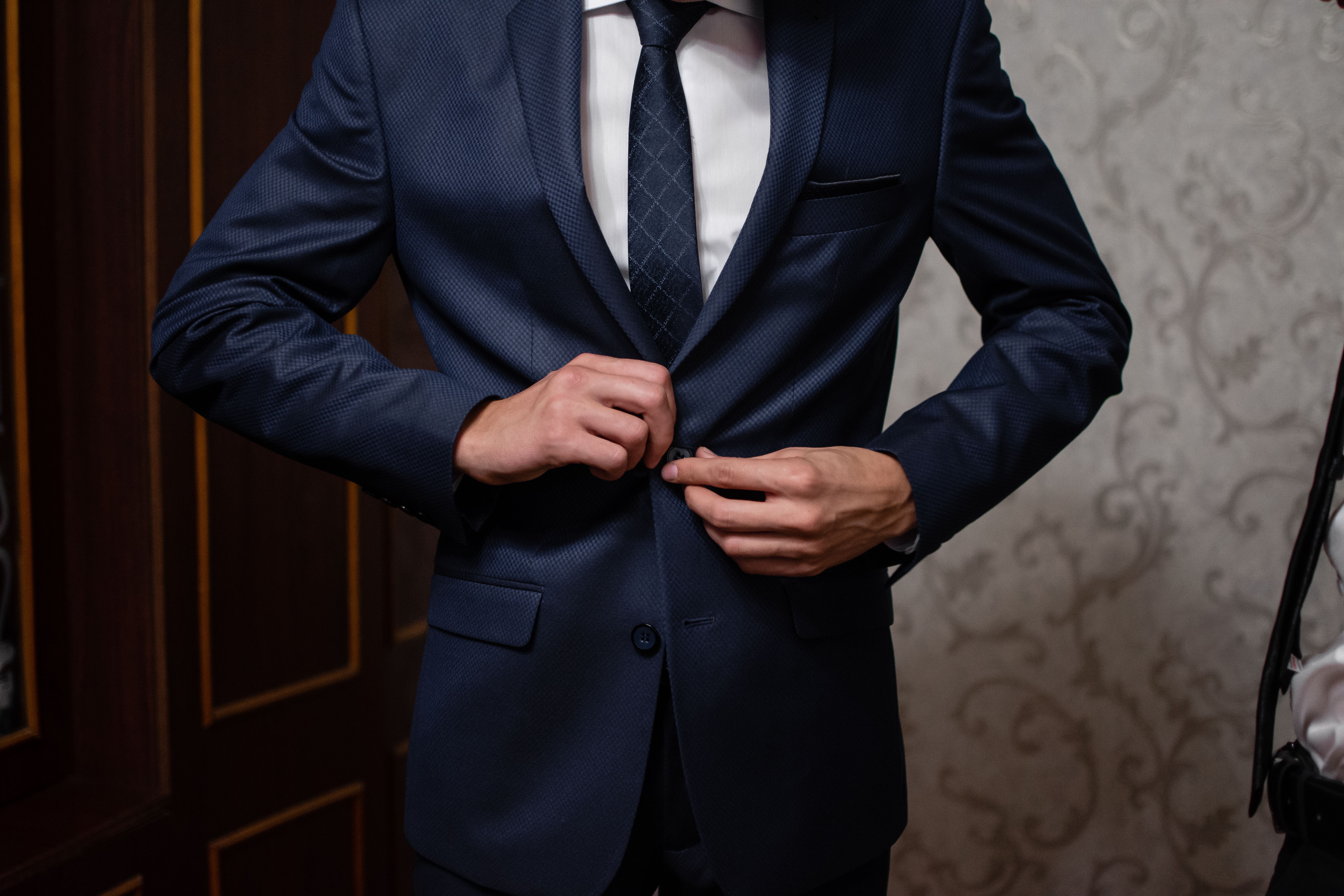
The fit of a suit is arguably the most important factor to consider. A suit that fits well will enhance your physique and boost your confidence. There are three main types of suit fits: slim fit, regular fit, and classic fit. Each offers a different silhouette and level of comfort.
A slim fit suit offers a modern and tailored look, ideal for those with a lean physique. Regular fit suits provide more room for movement, making them suitable for a broader range of body types. Classic fit suits offer the most traditional look with a relaxed fit.
Choosing the Right Fabric
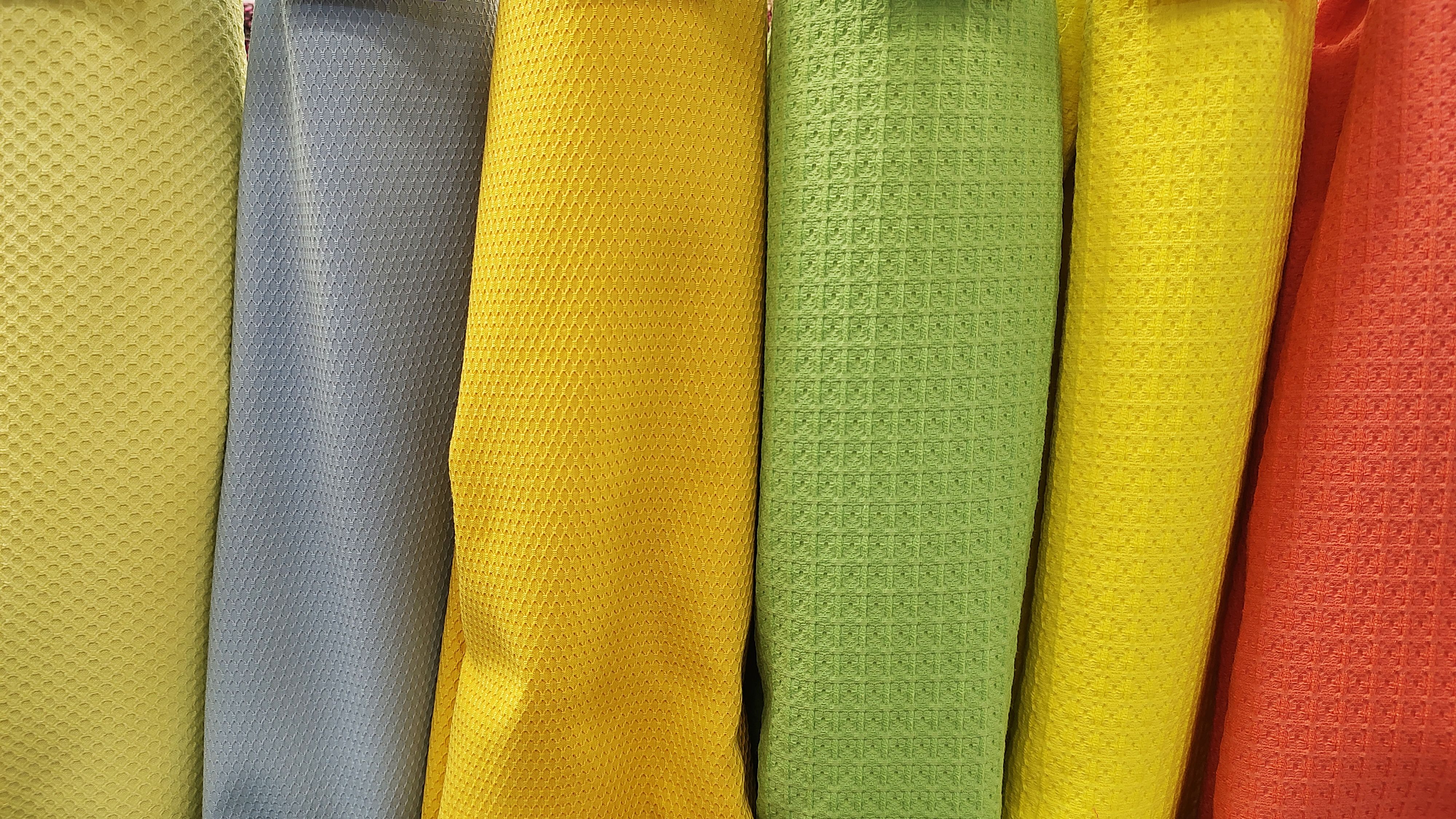
The fabric of your suit plays a significant role in its appearance and comfort. Wool is the most popular fabric due to its versatility and breathability. For warmer climates, linen or cotton suits are excellent choices as they provide comfort and allow for airflow.
For formal occasions, silk or velvet can add a touch of luxury. However, these materials may require more care and attention. It's essential to consider the occasion and climate when selecting your suit's fabric.
Color Coordination
Color is another critical aspect of choosing a suit. For universal appeal, consider classic colors like navy, charcoal, or black. These colors are versatile and can be worn for both formal and semi-formal occasions. For a more casual setting, lighter shades such as beige or light gray can be considered.
Additionally, understanding complementary colors can help in matching shirts, ties, and accessories with your suit. Remember that darker shades tend to be more slimming and formal, while lighter shades offer a more relaxed vibe.
Details Matter: Buttons and Lapels
The details of a suit can significantly impact its overall look. The number of buttons on a jacket can alter its style; single-breasted suits with two or three buttons are the most common and versatile.
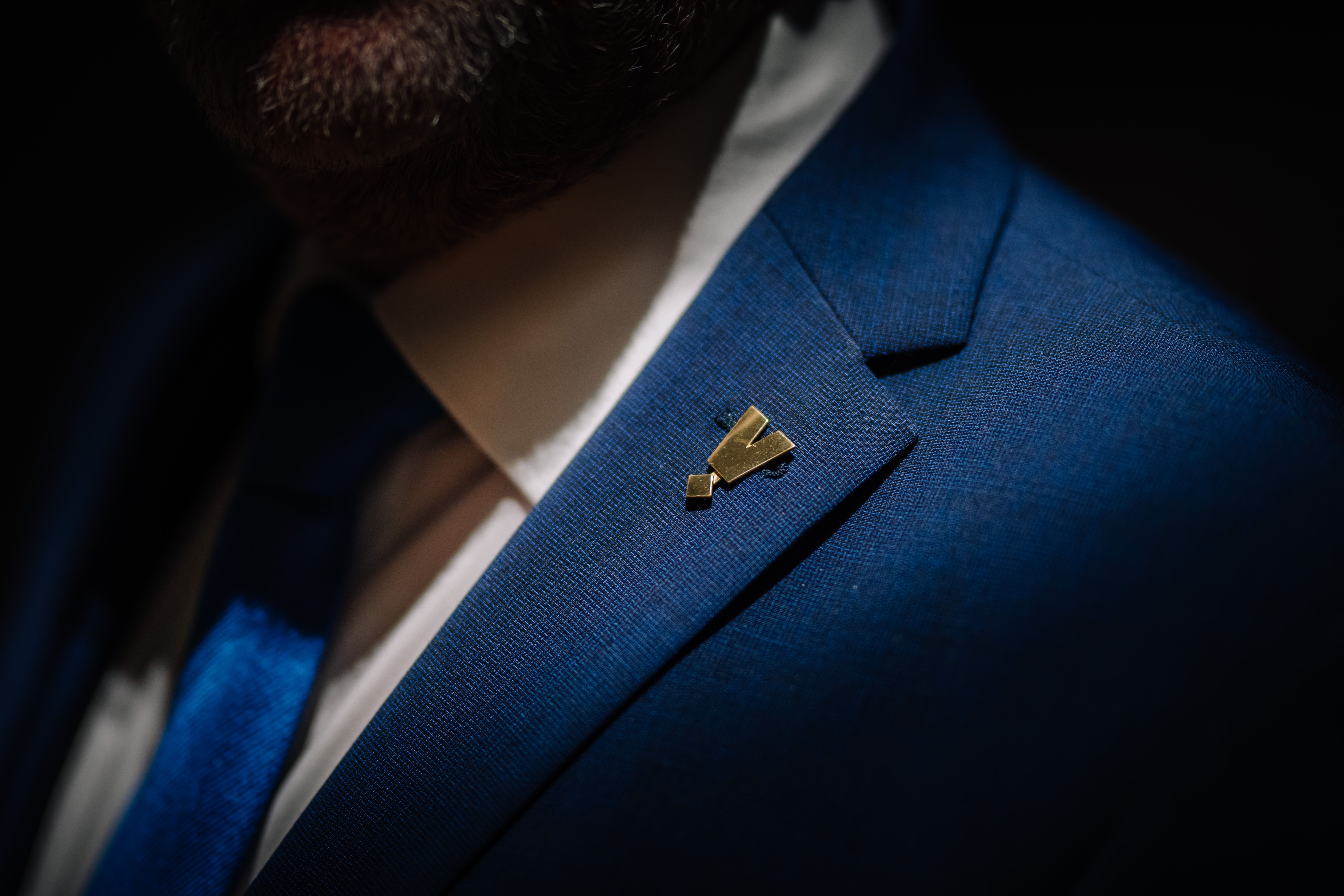
Lapels come in various styles such as notch, peak, and shawl. Notch lapels are classic and suitable for almost any occasion, peak lapels are more formal and often found on double-breasted suits, while shawl lapels are typically reserved for tuxedos.
Accessorizing Your Suit
Accessories can elevate your suit to new heights. Consider adding a pocket square, tie, or cufflinks to personalize your look. When selecting accessories, ensure they complement the suit's color and style without overwhelming it.
Belt choice is also important; it should match your shoes to maintain a cohesive appearance. For formal occasions, consider wearing suspenders for an added touch of elegance.
Suits for Different Occasions
Different occasions call for different suits. For weddings or black-tie events, a tuxedo or dark suit with a bow tie is typically appropriate. Business meetings may require a classic navy or charcoal suit paired with a crisp shirt.
For less formal events like garden parties or daytime gatherings, lighter fabrics and colors are recommended. A linen or cotton suit in pastel shades can make you stand out while remaining comfortable.

Caring for Your Suit
Proper care extends the life of your suit. Always hang your suit on a sturdy hanger to maintain its shape. Dry clean only when necessary to prevent fabric damage. For minor wrinkles, use a steamer instead of an iron to avoid ruining the fabric.
Regularly check for any loose threads or missing buttons and address these issues promptly. Investing in garment bags can protect your suits from dust and moths when not in use.